Ensuring Compliance with Regulatory Requirements for Diesel Generators


Introduction
Diesel generators play a crucial role in providing backup power during emergencies and in remote locations where access to the main power grid may be limited. However, the operation of diesel generators is subject to various regulatory requirements to ensure safety, environmental protection, and compliance with industry standards. In this article, we will explore the key regulatory requirements that govern the installation, operation, and maintenance of diesel generators, as well as the implications of non-compliance.
Regulatory Framework
The regulatory framework for diesel generators varies from country to country and may be governed by a combination of national, state or provincial, and local regulations. In general, regulatory requirements for diesel generators cover a wide range of areas, including emissions standards, noise levels, installation and siting considerations, fuel storage and handling, maintenance and testing procedures, and safety requirements.
Emissions Standards
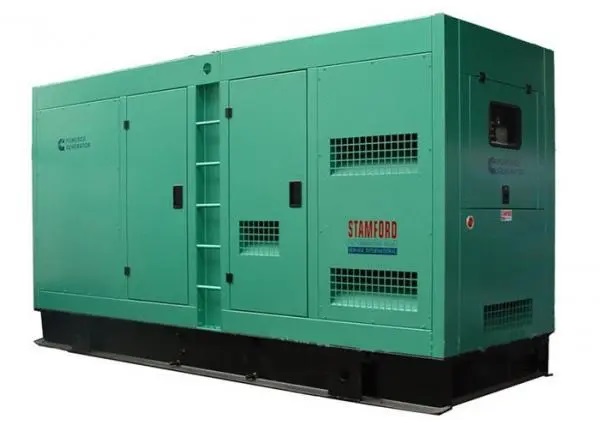
One of the most important regulatory requirements for diesel generators is compliance with emissions standards. Diesel engines are known to produce harmful pollutants such as nitrogen oxides (NOx), particulate matter (PM), carbon monoxide (CO), and hydrocarbons (HC). To mitigate the environmental impact of diesel generator emissions, regulatory authorities have established stringent emissions limits that generators must meet.
In many jurisdictions, diesel generators are required to comply with emissions standards set by agencies such as the Environmental Protection Agency (EPA) in the United States or the European Union's European Environment Agency (EEA). These standards typically specify limits on the amount of pollutants that can be emitted by diesel engines, as well as requirements for emission control technologies such as selective catalytic reduction (SCR) systems and diesel particulate filters (DPF).
Non-compliance with emissions standards can result in fines, penalties, or even shutdown orders for diesel generator operators. Therefore, it is essential for operators to ensure that their generators are properly maintained and tuned to meet the required emissions limits.
Noise Levels
In addition to emissions standards, regulatory requirements for diesel generators often include limits on noise levels. Diesel engines can be noisy, especially when operating at high loads or in close proximity to residential areas. To protect the health and well-being of nearby residents, regulatory authorities may impose noise limits that generators must not exceed.
Operators of diesel generators are typically required to conduct noise assessments to determine the sound levels produced by their equipment and take measures to mitigate noise pollution. This may involve the installation of soundproof enclosures, mufflers, or other noise-reducing technologies to ensure that the generator operates within acceptable limits.
Installation and Siting Considerations
The installation and siting of diesel generators are also subject to regulatory requirements aimed at ensuring safety and preventing environmental hazards. Generators must be installed in a manner that minimizes the risk of fires, explosions, or other accidents, and that complies with building codes and zoning regulations.
For example, diesel generators may need to be located a certain distance away from buildings, property lines, or other structures to reduce the risk of fire spread. In addition, generators must be installed on stable foundations to prevent vibration and ensure proper alignment with exhaust and ventilation systems.
Fuel Storage and Handling
Proper storage and handling of fuel is another critical aspect of diesel generator operation that is governed by regulatory requirements. Diesel fuel is flammable and combustible, posing a significant fire hazard if not handled correctly. Regulations typically specify guidelines for the design and construction of fuel storage tanks, as well as requirements for spill containment, leak detection, and emergency shutdown systems.
https://www.lkpowerplant.com of diesel generators are responsible for ensuring that fuel storage facilities comply with all relevant regulations and that proper procedures are in place for fuel delivery, transfer, and disposal. Regular inspections and maintenance of fuel storage tanks are essential to prevent leaks, spills, or other incidents that could result in environmental contamination or safety hazards.
Maintenance and Testing Procedures
Regular maintenance and testing are essential to ensure the safe and reliable operation of diesel generators. Regulatory requirements may mandate specific maintenance schedules, inspection procedures, and testing protocols to verify the performance and integrity of the equipment.
Operators of diesel generators are typically required to keep detailed records of maintenance activities, including repairs, replacements, and upgrades. In addition, routine testing of critical components such as batteries, fuel systems, cooling systems, and electrical connections may be required to identify potential issues before they escalate into major problems.
Safety Requirements
Safety is paramount when it comes to the operation of diesel generators, and regulatory requirements are in place to protect both operators and the surrounding environment. Generators must be equipped with safety features such as emergency shutdown systems, fire suppression systems, and exhaust gas monitoring devices to prevent accidents and mitigate risks.
Operators of diesel generators are required to provide adequate training for personnel who work with or around the equipment to ensure that they understand safe operating procedures and emergency response protocols. Regular safety inspections and drills may also be required to test the readiness of the generator and its operators in the event of an emergency.
Implications of Non-Compliance
Non-compliance with regulatory requirements for diesel generators can have serious consequences for operators, including financial penalties, legal liabilities, and reputational damage. In addition to regulatory enforcement actions, non-compliant generators may be subject to shutdown orders, which can disrupt operations and lead to significant downtime and lost revenue.
Furthermore, failure to comply with emissions standards or other environmental regulations can result in negative impacts on air quality, public health, and the environment. Pollutants emitted by diesel generators can contribute to smog, acid rain, and global warming, posing risks to human health and ecosystems.
To avoid the implications of non-compliance, operators of diesel generators must prioritize regulatory compliance and invest in the necessary resources, technology, and expertise to meet all applicable requirements. This may involve working closely with regulatory agencies, hiring qualified consultants, and implementing best practices in emissions control, noise reduction, safety management, and environmental stewardship.
Conclusion
In conclusion, ensuring compliance with regulatory requirements for diesel generators is essential to protect public health, safeguard the environment, and maintain the integrity and reliability of backup power systems. Operators of diesel generators must be aware of the various regulations that govern their equipment and take proactive measures to meet all applicable requirements.
By adhering to emissions standards, noise limits, installation and siting considerations, fuel storage and handling guidelines, maintenance and testing procedures, and safety requirements, operators can minimize the risks of non-compliance and demonstrate their commitment to responsible generator operation.
Ultimately, regulatory compliance is not only a legal obligation but also a moral imperative for operators of diesel generators. By following best practices, investing in compliance measures, and staying informed about regulatory developments, operators can ensure the long-term sustainability and success of their generator operations.